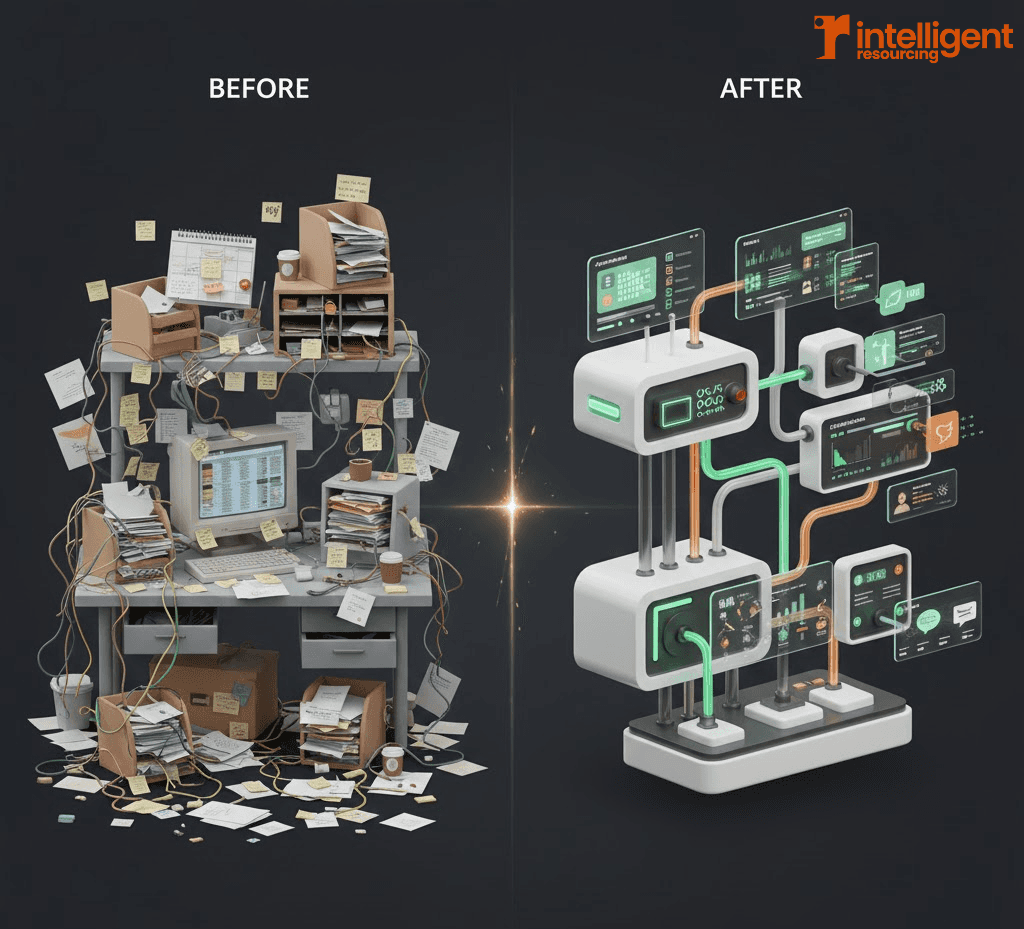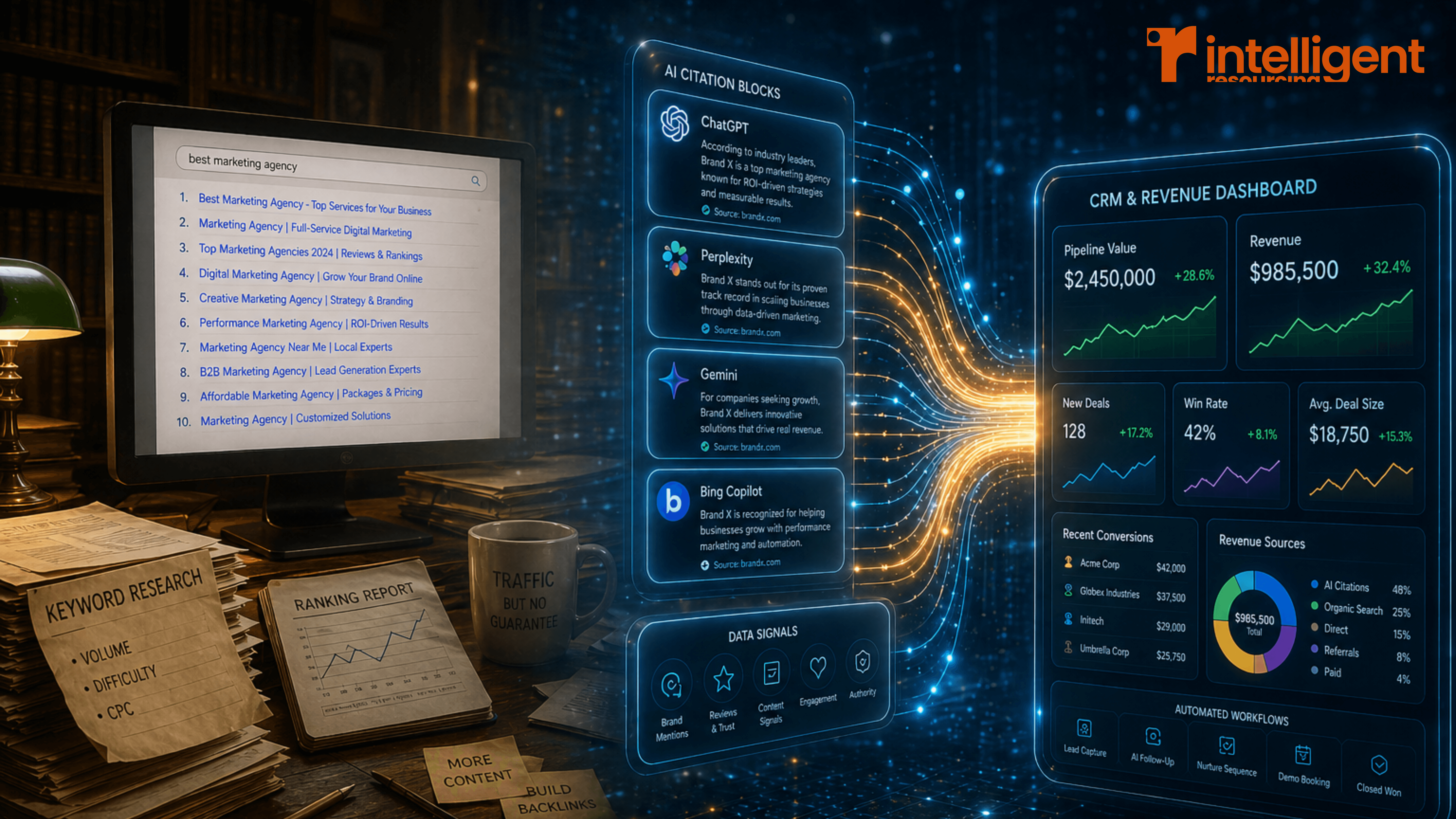
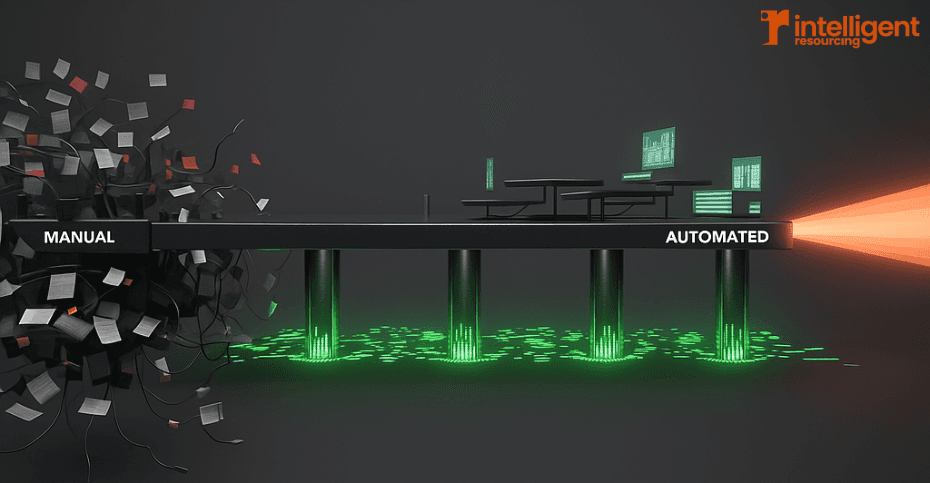
Content automation has become a vital part of scaling marketing efforts. As businesses evolve, delivering consistent, personalised content at scale is key. However, a content automation strategy should not just focus on tool implementation; it needs to align with the broader Go-To-Market (GTM) strategy to ensure efficiency, scalability, and relevance. This guide outlines a six-step process for building a content automation strategy that integrates seamlessly into your GTM architecture.
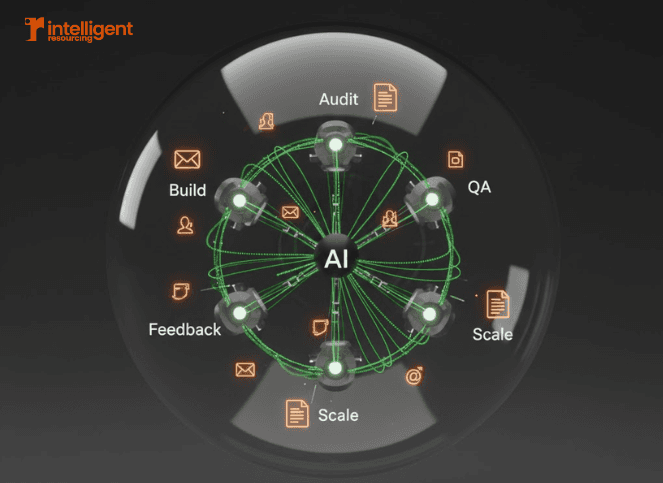
This article will guide you through a structured process for implementing content automation, focusing on integrating tools like Clay, HubSpot, and n8n into your workflows. We will also highlight the importance of using GTM architecture diagrams to visualise system connections and automate content delivery efficiently.
1. Content Audit and Segmentation
Before diving into automation, it’s crucial to conduct a content audit and segmentation. This step helps identify existing content gaps, assess content effectiveness, and align content with customer needs.
Why an Audit Is Essential
A content audit provides a detailed overview of your current content landscape, helping you understand what works, what doesn’t, and where to focus efforts. By leveraging tools like HubSpot for data analysis, you can identify underperforming content and remove redundancies. This data-driven approach ensures that you are automating content that drives value.
Segmentation
Once the audit is complete, segment your content into categories such as blogs, email campaigns, social media posts, and more. Align these categories with customer personas and buyer journeys. This segmentation allows you to target specific audiences effectively and ensures that automated workflows can be designed around distinct customer needs.
Key Actions:
Identify content types and assess performance
Segment content by target audience or buyer persona
Use CRM and analytics tools to guide decisions
2. Clay/n8n Build Steps
Now that you have a clear content strategy, it’s time to set up your content automation workflows using tools like Clay and n8n.
Clay: Integration Hub for Content Automation
Clay connects your CRM, CMS, and marketing platforms (like HubSpot), helping you automate workflows and route content across touchpoints. For example, you can automatically push new blog content into email sequences or social media campaigns based on user interactions tracked in your CRM.
According to industry data, Clay automation enables marketing teams to reduce manual data entry by up to 67%, allowing sales staff to focus on high-intent buyers rather than administrative tasks.
n8n: Multi-Channel Workflow Automation
n8n is a powerful open-source tool that helps automate multi-channel workflows. It integrates various platforms, such as your CMS, email systems, and social media tools, enabling automated content distribution. By connecting n8n to Clay, you create an interconnected ecosystem where content can be published across email, social media, and your website based on user signals (e.g., new blog posts, product updates).
Step-by-Step Setup
Clay Setup: Sync Clay with your CRM and marketing tools. Configure workflows to route content based on user behavior and trigger points.
n8n Setup: Use n8n to connect your CMS to platforms like Mailchimp, Twitter, Facebook, and more. Define workflows for automated posting or email distribution based on content creation events.
GTM Architecture Tip
Integrating Clay and n8n into your GTM system allows seamless content delivery, enhances user engagement, and ensures the right content reaches your audience at the right time.
3. Scaling Workflows with QA
As your content automation scales, maintaining content quality and governance becomes crucial. This is where Quality Assurance (QA) comes in.
Workflows & Scalability
Expanding automated workflows requires careful planning to ensure they remain efficient. Use n8n to design scalable workflows that adapt as your content volume grows. These workflows should include logic for varying content types and distribution channels.
Governance
It's important to build content governance into your automation system. Ensure that all automated content adheres to brand guidelines and regulatory compliance. GTM engineers can set up approval workflows, flagging content for review before publication to maintain quality standards.
QA: Automated Content Checks
Leverage Clay’s content monitoring tools and automated checks within n8n to catch potential issues before content is published. This ensures that automated systems don’t sacrifice content integrity or brand consistency as they scale.
Key Actions:
Design scalable workflows in n8n
Set up approval flows for brand consistency
Monitor content for compliance and relevance
4. Integrating AI and Data for Enhanced Personalisation
To elevate content automation, leverage AI and customer data to personalise content at scale.
Leveraging Customer Data
Data is at the core of content personalisation. Tools like HubSpot help you segment your audience based on behavior, demographics, or engagement history, allowing for targeted automation. Integrate this data into your workflows to automatically deliver personalised content.
AI-Driven Content
AI can take personalisation a step further by analysing user behavior and suggesting or creating content that is even more tailored. AI-powered tools, when integrated into your GTM system, enable deep content customisation, improving engagement and conversion rates.
GTM Engineering Tip
GTM engineers set up AI-driven models and ensure they align with your CRM and automation tools, ensuring the right content reaches the right audience at the right moment.
5. Automating Feedback Loops
Automation is not a “set it and forget it” process. Continuous optimisation and feedback loops are essential to refine content automation strategies.
Continuous Optimisation
Automating content workflows provides the foundation, but refining those workflows ensures sustained effectiveness. Use A/B testing and performance metrics from Google Analytics and Clay to assess content performance across platforms. GTM engineers help set up systems for ongoing monitoring, adjustments, and optimisation.
Industry statistics reveal that 70% of marketing leaders plan to increase their investment in marketing automation in 2025, reflecting the growing recognition of its importance in driving results.
Automated Feedback Loops
Feedback loops enable the system to learn and adapt. Automatically adjust your content delivery based on real-time performance data, ensuring that future campaigns are even more effective.
Key Actions:
Set up A/B testing to refine content
Use automated feedback to improve content performance
Continuously optimise workflows for better engagement
6. Optimising and Scaling Content Automation
The final step involves ongoing optimisation and scaling your content automation strategy to match business growth and evolving market demands.
With the digital content creation market projected to grow from USD $32.28 billion in 2024 to USD $69.80 billion by 2033 at a CAGR of 13.9%, businesses that implement robust content automation systems will gain a significant competitive advantage.
Signal-based marketing enables organisations to detect live buying signals such as job posts, tech installs, and hiring spikes, allowing teams to act when intent is high. By integrating these signals into your content automation workflows, you can trigger follow-ups at optimal moments, eliminating guesswork and improving conversion rates.
Recap: The 6-Step Process
In this article, we’ve outlined a structured, scalable approach to implementing a content automation strategy aligned with GTM systems. The six steps include:
Content Audit and Segmentation
Clay/n8n Build Steps
Scaling Workflows with QA
Integrating AI and Data for Enhanced Personalisation
Automating Feedback Loops
Optimising and Scaling Content Automation
By focusing on GTM architecture, integrating tools like Clay, HubSpot, and n8n, and implementing solid workflows, your team can achieve content automation success that drives efficiency, relevance, and quality at scale.
Next Steps
If you're ready to implement or enhance your content automation strategy, consult with GTM engineering experts or explore integration tools like Clay and n8n to help streamline your workflows.
For organisations looking to build offshore teams to support content automation efforts, Intelligent Resourcing offers comprehensive offshore hiring solutions that can reduce salary costs by up to 70% whilst maintaining quality and control.
Frequently Asked Questions
What is content automation, and why is it important?
Content automation streamlines the creation, scheduling, and distribution of content across various platforms. It's essential for scaling efforts, maintaining brand consistency, and engaging with audiences in a personalised, timely manner. With 58% of marketing decision-makers already automating email marketing and 49% automating social media, content automation has become a competitive necessity.How do I integrate Clay and n8n for content automation?
Clay and n8n work together to automate multi-channel content workflows. Clay integrates customer data from CRMs and content platforms, whilst n8n automates content delivery across social media, email, and your CMS. Together, they eliminate manual data entry and enable real-time, signal-based content distribution.Can content automation work for personalised content?
Yes, content automation can be highly personalised by leveraging customer data, behaviours, and AI-driven tools. Research shows that personalisation can increase email open rates by up to 26%, making it a critical component of successful content automation strategies. This ensures that the right content reaches the right audience at the right time.What is the role of GTM engineers in content automation?
GTM engineers are crucial for designing and implementing automation systems, integrating various tools, and ensuring that workflows scale efficiently without compromising content quality or brand voice. They act as the bridge between marketing strategy and technical execution, building systems that drive measurable revenue growth.
Related Resources
Deep Dive into GTM Engineering & Automation
Comprehensive Overview of the GTM Engineer Role – Learn how GTM Engineers blend technical expertise with growth strategy to accelerate marketing and product execution
What a GTM Engineer Brings to Your Go-to-Market Strategy: Typical Use Cases – Discover practical applications including automated lead routing, lifecycle email triggers, and revenue dashboards
What Exactly Does a GTM Engineer Do That You Can't Handle Internally? – Understand the technical backbone that transforms reactive GTM functions into high-output, signal-driven systems