Which Stack Actually Supports Signal-Based GTM?
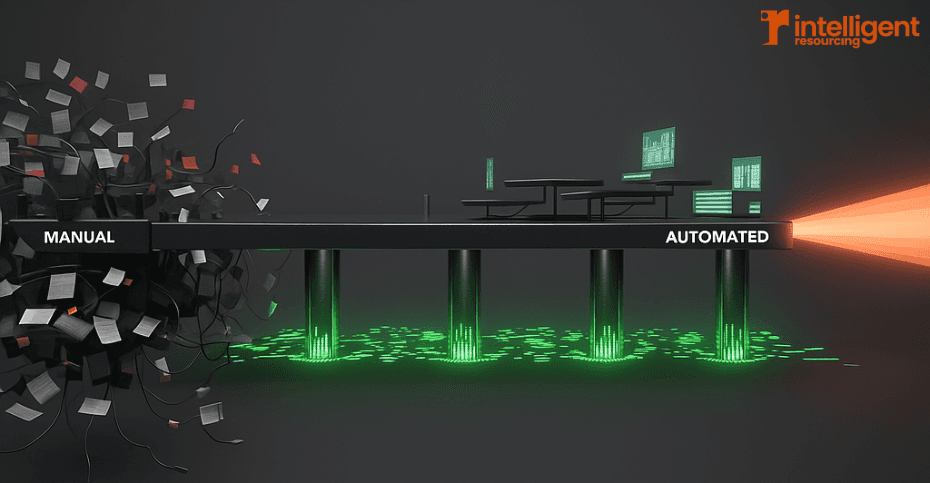
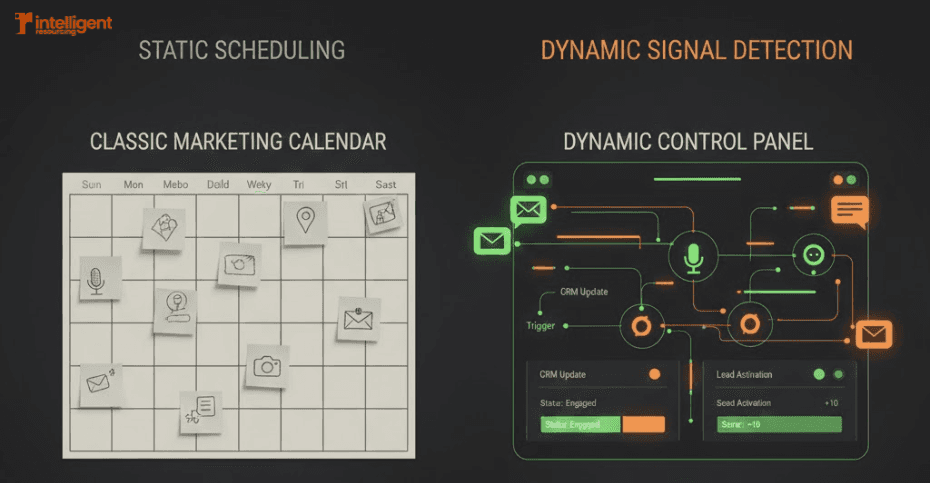
Most content automation tools were built for calendar management, not signal detection. Marketers plan posts, schedule them out, and hope they land at the right time. But in a signal-based GTM system, timing is everything. Only the right tools can deliver content in response to live buyer behaviour. That means evaluating tools not just by features, but by how they plug into workflows, connect with CRMs, and adapt to lead intent.
According to recent data, automated emails achieve 52% higher open rates, 332% higher click rates, and 2,361% better conversion rates compared to regular scheduled campaigns. This dramatic performance difference highlights why signal-based automation matters.
If you're planning your 2026 stack, this guide will help you prioritise tools that support real system architecture, not just surface-level automation.
Best Marketing Content Automation Tools for 2026
Criteria for Selecting Automation Tools in a Signal-Based GTM System
When building a signal-responsive content engine, your tools need to meet three core criteria:
Signal Compatibility
Can they respond to changes in CRM fields, lead scores, or webhook events?
Workflow Flexibility
Do they support custom branching, retries, or condition-based logic?
System Connectivity
Can they integrate with platforms like Clay, SmartLead, HubSpot, or n8n without constant developer intervention?
Tools that tick these boxes support reactive automation, publishing content when it matters, not just when it was scheduled. Research shows that companies implementing marketing automation see conversion rates improve by 77% through personalised and timely follow-up.
Tools That Work Well With Clay, HubSpot, SmartLead, or n8n
Some tools slot directly into a signal-led GTM system:
Clay: Enriches lead profiles, enabling decision logic in workflows.
HubSpot: Acts as the CRM source of truth, holding lifecycle stage, contact data, and content triggers.
SmartLead: Automates outbound sequences, listening for replies, opens, and lead actions.
n8n: Connects everything through conditional logic, webhook listening, and no-code flow control.
Your stack should support these tools directly or at least expose APIs and webhook endpoints to connect them. Learn more about how HubSpot and n8n work together to create powerful automation workflows.
Tools That Support Modular Workflows and Content Triggering
Look for platforms with:
Native webhook triggers
Multi-branch workflow builders
Content libraries that can be queried via API
CRM synchronisation capabilities
Control over message templating and personalisation tokens
Anything that can only run on a fixed calendar or can't listen for events is already outdated. According to industry benchmarks, real-time personalisation contributes to a 21% increase in ad relevance scores and significantly improves engagement.
Top Content Automation Platforms for 2025
Here's a closer look at some of the tools enabling signal-led marketing in 2025.
Tool | Role in Stack | Strengths | Watch-Outs |
Clay | Data enrichment + signal routing | Flexible enrichment logic, strong API controls | Needs technical setup for branching |
HubSpot | CRM + marketing automation | User-friendly, powerful lifecycle triggers | Complex workflows may require ops support |
SmartLead | Cold outreach + sequence automation | Intent-based routing, response tracking | Works best when paired with enriched CRM |
Writer.com / Jasper | AI content generation | Custom tone training, strong API integrations | Needs guardrails for brand voice |
n8n | Workflow builder + integration logic | No-code workflows, supports hundreds of apps | May need hosting if self-hosted version used |
Each of these plays a different role, but none is standalone. The value comes when they connect, when Clay updates a lead, HubSpot triggers content, and SmartLead sends a timely message. According to recent studies, businesses make $5.44 for every $1 spent on marketing automation, demonstrating the ROI of properly integrated systems.
How to Choose Tools That Support GTM System Design
Why System Architecture Matters More Than Individual Tool Features
Too often, teams pick tools based on interface preference or pricing tiers. But in signal-based systems, what matters is how each tool connects to the others. Can your AI platform pull content when a lead hits a certain score? Can your CRM trigger an outbound sequence on a form submission? Your goal is to build a fully signal-responsive content engine, not a stack of isolated schedulers.
Research indicates that 71% of customers expect real-time communication, and those who receive it are nearly twice as likely to convert. This underscores the importance of choosing tools that work together seamlessly.
Signal Compatibility: Webhook Support, Enrichment Logic, CRM Sync
At a technical level, your tools need to support:
Inbound and outbound webhooks for real-time data flow
Custom field mapping to align CRM and content triggers
API access for pulling and pushing content dynamically
Token-based templating for brand control in personalised messages
This lets your system route content without human intervention. No signal = no send. Signal = automatic routing based on rules. GTM engineers specialise in building these integrated systems that respond to buyer signals in real-time.
Examples of Tool Integrations That Break Without Signal Inputs
Here are some common breakdowns:
An AI platform generates content, but can't send it without a manual push
The CRM holds lifecycle data, but can't pass it to outbound tools in real time
Your CMS schedules blog posts, but doesn't trigger outbound nurture flows when published
A reply in SmartLead doesn't update the CRM, so the lead stays stuck in a nurture loop
To avoid these gaps, evaluate tools in context, not in isolation. According to MarTech.org, over 57% of marketing teams replaced at least one major platform in the past year, primarily due to integration failures and lack of ROI.
Frequently Asked Questions
What’s the difference between content automation and content scheduling?
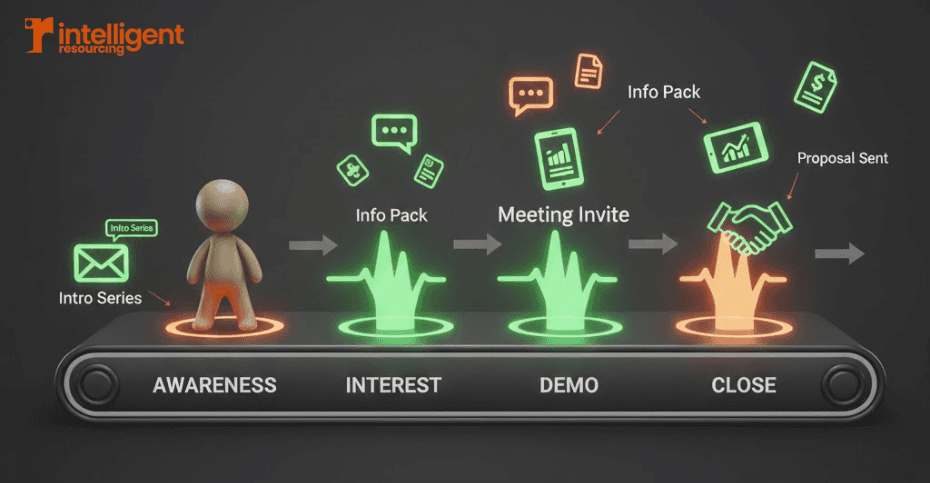
Scheduling publishes content at preset times. Automation sends content based on real-time signals like CRM updates, lead behaviour, or product usage. Signal-based systems are more adaptive and relevant. Studies show that automated email campaigns achieve an average open rate of 42.1% and a click rate of 5.4%, significantly higher than traditional scheduled campaigns.
How do Clay and HubSpot work together?
Clay enriches lead data from external sources and updates fields in HubSpot. These field changes trigger workflows in HubSpot, which then send messages or update lifecycle stages accordingly. This integration creates a powerful signal-based lead scoring model that sales teams actually trust.
Can AI tools replace human editors in automated systems?
AI tools can generate drafts and apply tone models, but most teams still need a human QA layer, especially for brand-sensitive or compliance-heavy content. Some automation tools support guardrails to control style and structure. Research shows that 52% of marketing professionals use AI for text generation, making it the most common AI application in marketing.
What’s the best way to test a content automation workflow before scaling?
Start with one trigger (e.g. a CRM field update), route it through your stack, and simulate lead activity. Use preview modes, test contact records, and manual QA steps before going live. Learn more about using data to prioritise the right GTM workflows.
Are no-code platforms like n8n viable for mid-sized teams?
Yes. n8n supports hundreds of integrations and offers strong workflow logic. For mid-sized teams with a technical marketer or GTM engineer, it's a cost-effective and powerful orchestration tool. The global marketing automation market is expected to reach $15.58 billion by 2030, with mid-sized companies driving significant adoption.
How does SmartLead fit into a content automation system?
SmartLead is used for cold outreach and nurture sequences. It listens for replies and interactions, updates the CRM, and triggers new content based on intent. It works best when enriched data and lifecycle signals guide the messaging logic. Discover how to use signals for personalising cold email sequences for maximum impact.
Building a Content Automation Stack That Actually Works With Signals
A smart tool stack doesn't just schedule posts, it listens, reacts, and delivers the right message based on context. Whether you're starting from scratch or retooling for 2026, focus on how each platform fits into a signal-led GTM motion, not just what it can do in isolation.
With 89% of marketers reporting positive ROI from personalisation and 76% of marketing leaders saying AI has significantly improved productivity, the case for signal-based automation has never been stronger.
Talk to our GTM engineers about designing a content automation engine that scales with your goals:
👉 Contact Intelligent Resourcing