Clay workflow automation is rapidly becoming a game-changer for growth teams, RevOps leaders, and founders aiming to scale smarter. But while the benefits are compelling, many professionals find themselves asking: should we implement it ourselves or hire a Clay workflow expert? This guide breaks down everything you need to know to make an informed decision.
What are Clay Workflow Automations?
Clay is a powerful automation platform designed to optimise how companies manage leads, contacts, and outreach workflows. At its core, Clay workflow automation allows you to build flexible, data-enriched workflows that can interact with various tools like CRMs, email platforms, and data providers.
Clay excels in tasks like CRM enrichment, deduplication, contact verification, and outbound outreach preparation. For growth teams juggling lead pipelines or RevOps professionals managing large volumes of data, Clay offers a way to automate tedious manual tasks with precision.
Benefits of Clay Workflow Automation
Increased efficiency: Automate repetitive tasks and reduce manual entry.
Improved accuracy: Eliminate human error with consistent data validation.
Lead enrichment: Pull additional data points into your CRM for smarter segmentation and targeting.
Custom triggers and logic: Tailor workflows to your specific lead journey or sales process.
How It Works
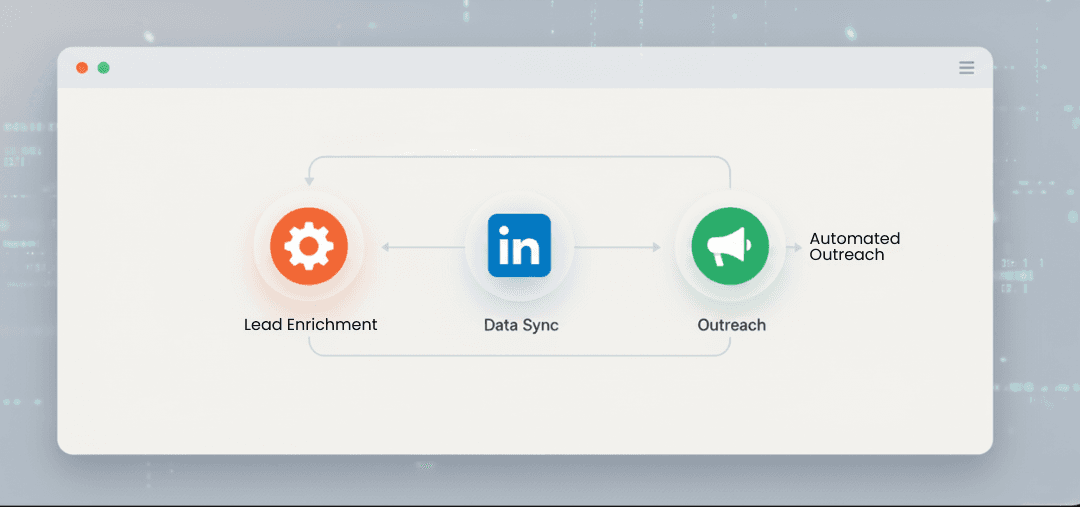
Clay integrates directly with platforms like HubSpot, Salesforce, LinkedIn, Salesloft, and Outreach. It serves to connect between your CRM and third-party data sources. For instance, you can build a workflow that pulls new leads from LinkedIn, enriches them with data from Clearbit, deduplicates them against your CRM, then adds them into a personalised outreach sequence.
One common approach is outlined in this step-by-step guide to building workflows in Clay, which demonstrates how to connect tools and automate tasks from discovery to outreach.
When Should You Hire a Clay Workflow Expert?
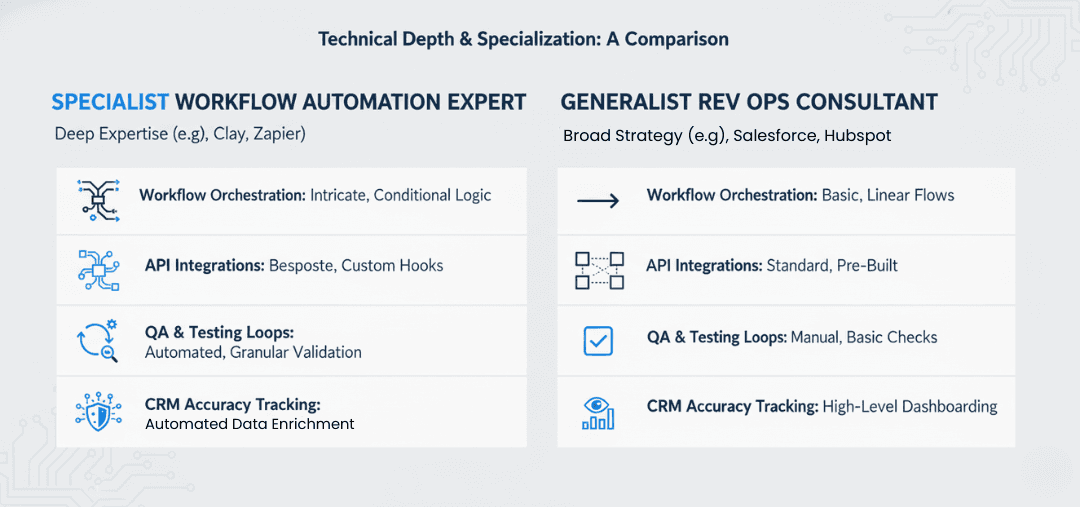
While Clay is built with a no-code/low-code ethos, its full capabilities can be difficult to fully utilize. Here are key scenarios where hiring an expert is the smarter move:
1. Complex Workflows
If your sales or marketing funnel involves multiple lead sources, conditional triggers, and syncing across several platforms, an expert can help you architect workflows that won't break under pressure.
2. Limited Time or Resources
Even if your team has some technical knowledge, building workflows from scratch takes time. An expert speeds up implementation and ensures best practices are followed from day one.
3. Ongoing Optimisation
Clay workflows often need maintenance, especially as your tech stack or GTM strategy evolves. Experts provide long-term support, making iterative improvements over time.
4. Scaling Operations
If you plan to scale your outreach volume, hire new SDRs, or segment your market more granularly, an expert ensures your workflows are built to grow with you.
In these cases, it helps to understand the key indicators that suggest it's time to hire a Clay workflow expert.
DIY vs Hiring a Clay Workflow Expert
Should you build your workflows yourself or hire a pro?
Here's a quick breakdown
DIY is suitable when:
Your workflows are simple and linear
You have a technically capable team with extra capacity
You’re testing Clay before full adoption
Hiring an expert is ideal when:
Your data is messy or multi-sourced
Your workflows need cross-platform syncing
You want to get it right the first time
Decision Matrix:
Criteria | DIY | Expert |
Workflow complexity | Low | High |
Internal technical skills | Yes | No |
Time to implement | Flexible | Urgent |
Need for ongoing support | No | Yes |
Key Responsibilities of a Clay Workflow Expert
Clay experts bring both technical know-how and strategic insight. Here’s what they typically handle:
Design and Optimisation
They map your existing processes, design custom workflows, and build efficient systems aligned with your business objectives.
Data Enrichment and Verification
Experts help maintain accurate contact records are enriched with relevant data and deduplicated for accuracy.
Monitoring and Reporting
They track the performance of workflows, run QA on data output, and troubleshoot errors.
Continuous Improvement
As your team’s needs evolve, experts adjust and expand workflows to stay aligned with business growth.
You can see examples of what this looks like in practice by reviewing high-performing Clay workflow use cases tailored to GTM teams.
Tools & Integrations
Clay becomes even more powerful when combined with the right tools:
Clay’s Role
Clay acts as the central command centre, pulling in data, running logic, and pushing results to CRMs or outreach tools.
Common Integrations
CRM Systems: HubSpot, Salesforce
Data Sources: Clearbit, Apollo.io, ZoomInfo
Communication Tools: LinkedIn, Email, Slack
Sequencing Tools: Outreach, Salesloft
Why Integrations Matter
Strong integrations create an integrated data pipeline. For example, a lead found on LinkedIn can be enriched via Clearbit and added to a Salesforce sequence without manual effort.
The workflow integrating Clay with HubSpot is a particularly effective example of this approach in action.
Metrics & Results from Clay Workflow Automation
Businesses using Clay typically measure impact across three key areas:
Lead Velocity
Time from discovery to outreach is dramatically reduced.
CRM Data Quality
Clean, deduplicated, enriched records lead to better segmentation and outreach.
Sales Efficiency
Reps spend more time selling and less time on manual research.
According to HubSpot’s State of Sales Report, salespeople spend only 36% of their time actually selling. Workflow automation tools like Clay help reclaim that lost time.
When You Should Hire an Expert vs DIY
Still unsure? Here’s a quick recap
Hire an Expert When:
Your data is disorganised or sourced from multiple platforms
You want workflows aligned with long-term GTM strategy
You require regular updates, QA, or scaling support
Go DIY When:
You’re running a simple pilot project
You have internal resources with automation skills
You’re building minimal, one-off workflows
Common Pitfalls in Clay Workflow Automation
Even powerful tools like Clay come with challenges. Avoid these common issues:
Data Inconsistencies
Poor-quality or duplicate data leads to failed enrichments and mismatched records.
Improper Workflow Logic
Without experience, it's easy to misconfigure logic, causing broken sequences or missed leads.
Lack of Monitoring
Automations can silently fail. Without alerts or regular checks, these failures go unnoticed.
Hiring an expert significantly reduces these risks.
Quick Glossary
Workflows: Sequences of automated tasks triggered by conditions or events.
CRM: Customer Relationship Management system used to track leads and client interactions.
Enrichment: Adding third-party data to lead records.
Deduplication: Identifying and removing duplicate entries in a database.
Related Guides & Next Steps
Looking to go deeper?
Learn more with our workflow setup tutorial for Clay
Understand how Clay connects seamlessly with HubSpot
Find out what to expect when hiring a Clay expert for your GTM team
FAQ
What does a Clay workflow expert do?
They design, implement, and maintain automated workflows in Clay, ensuring data accuracy and alignment with your GTM goals.
When should I hire a Clay workflow expert?
Hire one when your workflows are complex, your team lacks the time or skills, or you need scalable and reliable automation.
Can I handle Clay workflow automation myself?
Yes, if the workflows are simple and you have the technical capacity in-house.
What tools does a Clay expert typically integrate?
CRMs like HubSpot, Salesforce; enrichment tools like Clearbit; communication platforms like LinkedIn; and sequencing tools like Outreach.
How do I measure the success of my Clay workflow automation?
Track lead velocity, CRM data quality, and time saved by your sales team.
Where can I find pricing for hiring a Clay workflow expert?
Pricing varies depending on scope and complexity. Visit our guide to working with a Clay expert for GTM success for consultation options.
Want to know where your workflows could improve? Book a 30-minute workflow audit to uncover automation opportunities, identify gaps, and build a smarter sales engine.