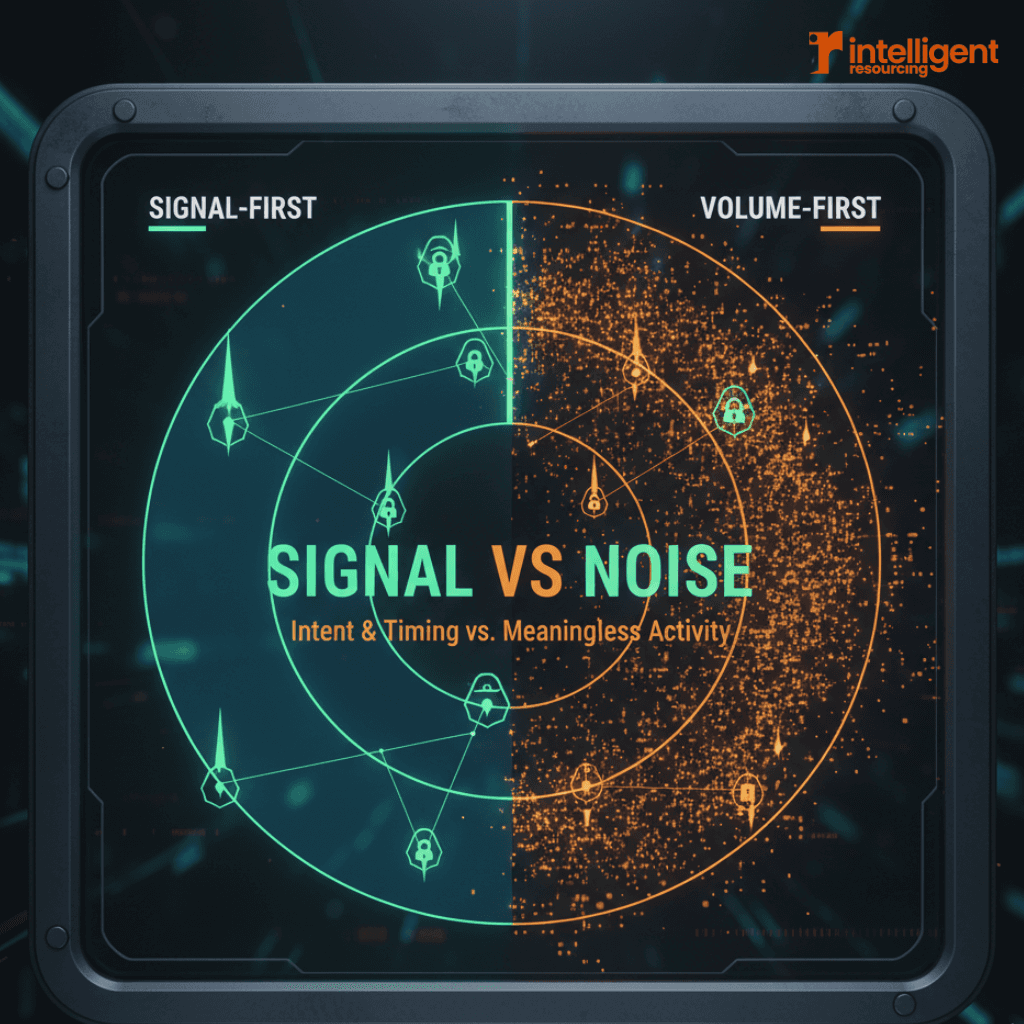
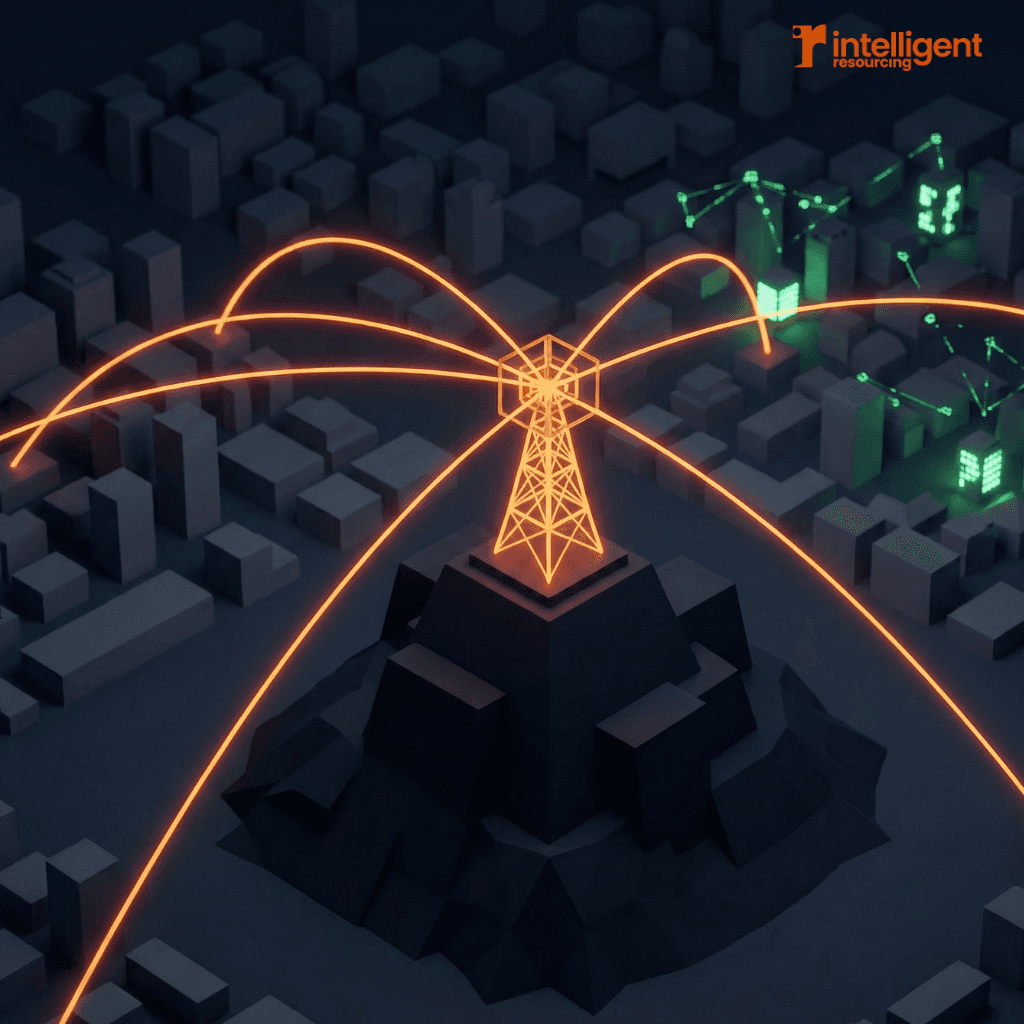
Outbound B2B lead generation still works in 2026, but only when it is signal-led. High-performing teams trigger outreach based on behavioural and contextual buying signals, dynamically refine their ICPs, and align outbound execution with inbound insight. This signal-led approach replaces traditional lead generation services with outbound systems that improve reply rates and pipeline quality.
Why Outbound Breaks (and How It Recovers)
Lists decay faster than sales cycles
Cold outreach without timing feels like spam
Signals determine when outbound should fire
Inbound insight makes outbound relevant again
Why Traditional Outbound Lead Generation Breaks Down
For years, outbound B2B lead generation followed a familiar pattern: build a list → run sequences → book meetings.
This model was scaled by lead generation services optimising for volume and activity rather than buyer readiness.
Modern B2B buyers research quietly, across multiple sessions and stakeholders, long before they’re ready to talk to sales. Most of that activity happens anonymously, outside your CRM, before anyone fills out a form or replies to outbound. Forrester’s research on the modern B2B buying journey reinforces this shift, showing that buyers increasingly self-educate through digital channels and delay direct vendor engagement until late-stage decision-making.
When outbound ignores these early signals, activation is inevitably mistimed, leading to falling reply rates, rising spam perception, and rapid ICP decay.
The issue isn't copy. It's mistimed activation.
What Signal-Led Outbound Actually Means
Signal-led outbound reframes outbound from prospecting to activation.
Instead of asking: "Who should we email?"
High-performing teams ask: "Which accounts are showing evidence of entering a buying window, and how should we engage?"
This logic sits at the heart of signal-based lead generation, where outbound is triggered by evidence rather than static lists.
In this model:
Signals decide when outbound triggers
Context determines relevance
Timing matters more than personalisation
Outbound becomes the execution layer inside a broader B2B lead generation framework, not a standalone channel.
Cold Outreach Workflows Powered by Signals
Cold outreach still works, but only when something triggers it.
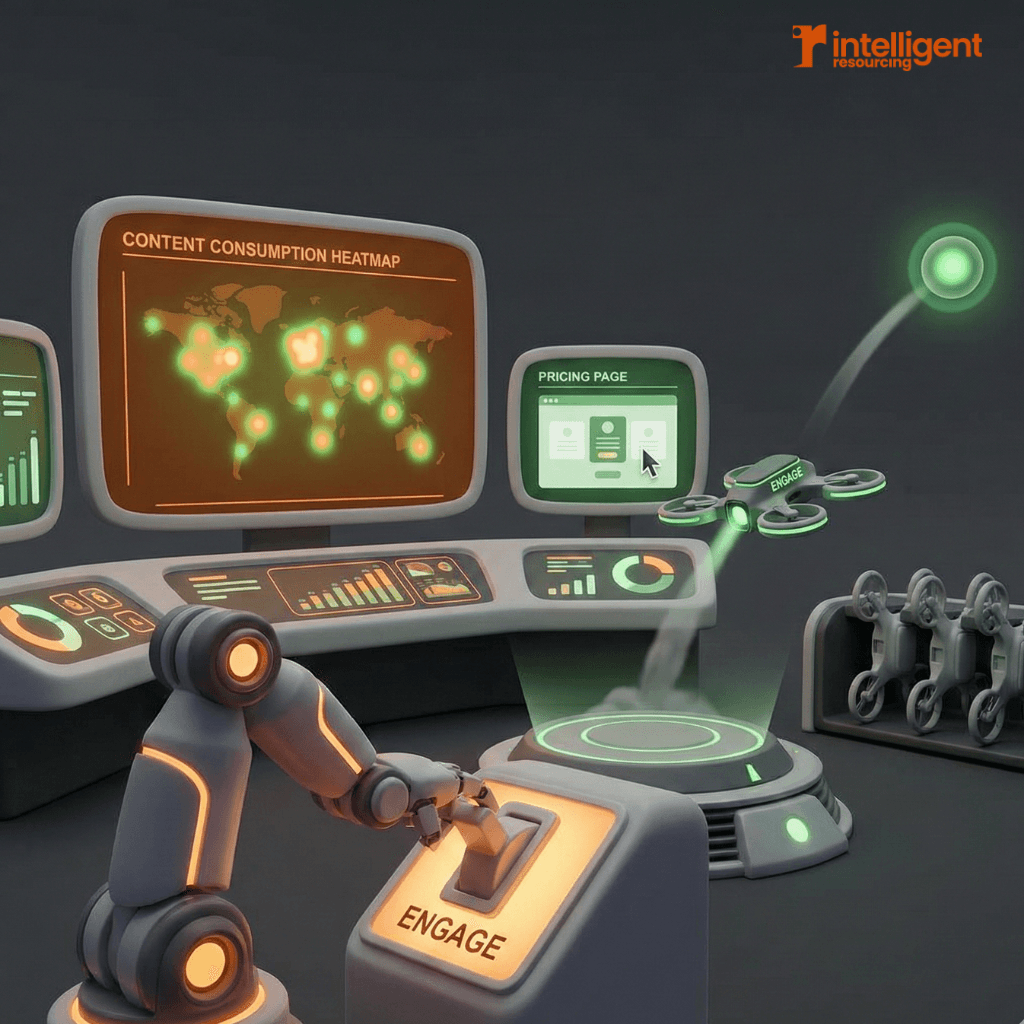
Common Signal Triggers for Outbound
Repeated inbound content consumption
Comparison or pricing behaviour
Hiring for relevant roles
Technology or platform changes
Intent spikes across multiple sessions
These signals indicate movement, not curiosity.
Benchmarks from Lavender show that reply rates correlate far more strongly with timing and relevance than with copy sophistication alone, reinforcing why signal-triggered outreach consistently outperforms volume-based cadences.
Signal-led outbound workflows therefore:
Wait for readiness
Adapt cadence dynamically
Route accounts via a shared B2B lead generation workflow, not static queues
These workflows are typically orchestrated through revenue automation workflows, ensuring signals turn into action without manual hand-offs.
ICP Tuning via Data and Signal Capture
One of the biggest hidden failures in outbound B2B lead generation is static ICPs.
Most teams define an ICP once, then reuse it long after the market has shifted.
Signals reveal:
Which behaviours actually precede deals
Which firmographics matter once intent appears
Which segments convert fastest
Signal-led teams use this evidence to suppress low-value outreach and expand into adjacent, high-intent segments, improving reply rates without increasing volume.
Fit is no longer assumed. It is proven.
Outbound vs Inbound: Why the Best Teams Blend Both
Inbound and outbound are often positioned as competing strategies. In reality, they solve different parts of the same problem.
Inbound's Role
Capture behavioural signals
Reveal research progression
Surface emerging demand
Outbound's Role
Activate conversations
Accelerate decisions
Engage additional stakeholders
In signal-led teams:
Inbound captures timing
Outbound converts timing
Both operate within the same inbound B2B lead generation framework
Channel debates disappear when workflows — not tactics — drive execution.
How This Connects to Modern B2B Lead Generation
Outbound B2B lead generation does not stand alone.
In a signal-led growth system:
Signals define readiness
Workflows govern routing and activation
Inbound and outbound share the same evidence layer
This orchestration typically sits within a revenue operations model, ensuring outbound aligns with sales capacity and buyer timing.
Outbound works best when it operates as an activation layer inside the wider B2B lead generation framework, not as a volume engine.
Key Takeaways
Outbound still works, lists don't
Signals outperform segmentation
Reply rates improve with timing, not volume
Inbound insight makes outbound credible
Cold outreach without signals is just noise
References