Automated B2B Lead Generation with Clay & n8n (2026)
Build a reliable automated B2B lead generation with Clay and n8n: capture intent, enrich safely, route leads, avoid CRM mess and create lasting operational value.
By Ronan Leonard, Founder, Intelligent Resourcing
Automated B2B lead generation with tools like Clay and n8n can help detect buying signals, enrich accounts with verified company and contact data, score opportunities, and trigger next actions automatically. Clay captures and enriches signals, while n8n automates tasks, manages limits, logs activity and ensures recovery from errors. Together, they enable high-quality, scalable revenue operations that minimise waste and deliver predictable pipelines.
Static lists decay Contact data degrades at a rate of about 30% per year, and roughly 18% of B2B contacts move on within a year
Signals beat volume: reaching the right person at the right moment gets better replies than sending more messages.
Clay adds context: collects and cleans data from 150+ sources to fill in missing details, and cleans it for accurate outreach.
n8n automates tasks, manages limits, logs activity, and recovery to prevent errors.
GTM Engineering partner ensures your Clay + n8n workflows run reliably, creating a predictable, signal-led pipeline.
(Build vs Buy vs Internal System)
Approach | Best for | Trade-offs | Typical outcome |
Traditional lead gen services | Quick volume, short-term tests | Low control, list decay, CRM pollution | Activity without consistent pipeline |
Tools-only (DIY) | Small technical teams | Fragile workflows, silent failures | Works until it breaks |
Automated lead gen services (Using Clay + n8n workflows) | Signal-led, repeatable pipeline | Upfront setup and tuning | Compounding system over time |
GTM Engineering partner | You want system + support | Higher initial investment | Faster to “reliable” with guardrails |
If you only need fast, temporary volume, use a lead gen service as a short-term solution.
If you want a predictable pipeline and clean operations, work with a GTM engineering partner to design, implement, and maintain workflows with a reliability layer.
What’s changed in 2026 (and why it matters)
Leads are static; signals are real-time. A list tells you who might be a fit. A signal tells you who is moving now.
Channels don’t create demand; signals reveal when to act. Channels alone don’t create demand; acting on signals at the right moment does.
Systems improve over time: A well-built workflow gets better every week; a static list only decays as contacts change roles, companies update, and information goes stale.
Wins come from evidence and timing your outreach, not assumptions and bulk cold outreach: Buying leads can work short-term, but signal-led workflows create a repeatable, predictable pipeline.
Why traditional lead generation “breaks”
Traditional services focus on volume, not outcomes. They will give you contacts, but you deal with the consequences of bad or outdated data.
1) Data decay quickly
Contact data degrades at a rate of about 30% per year, and roughly 18% of B2B contacts move on within a year if the information isn’t updated. Even a perfect list loses value quickly. Keeping data current is essential to ensure your outreach reaches the right people and your customer profiles reflect reality
2) Operational costs are hidden but real
When bad leads hit your systems, you get:
Duplicate records across SDRs
Missing fields and broken routing
Sequences firing too early
Weak data overwriting CRM fields
3) Volume doesn’t guarantee replies
Cold email reply rates only range from 1-8.5%, depending on the audience and industry. Without proper targeting and timing, most outreach becomes costly, noisy, and undermines your campaign results.
The real problem isn’t that companies need more leads.
The real problem is wasting time, money, and sales effort on the wrong ones.
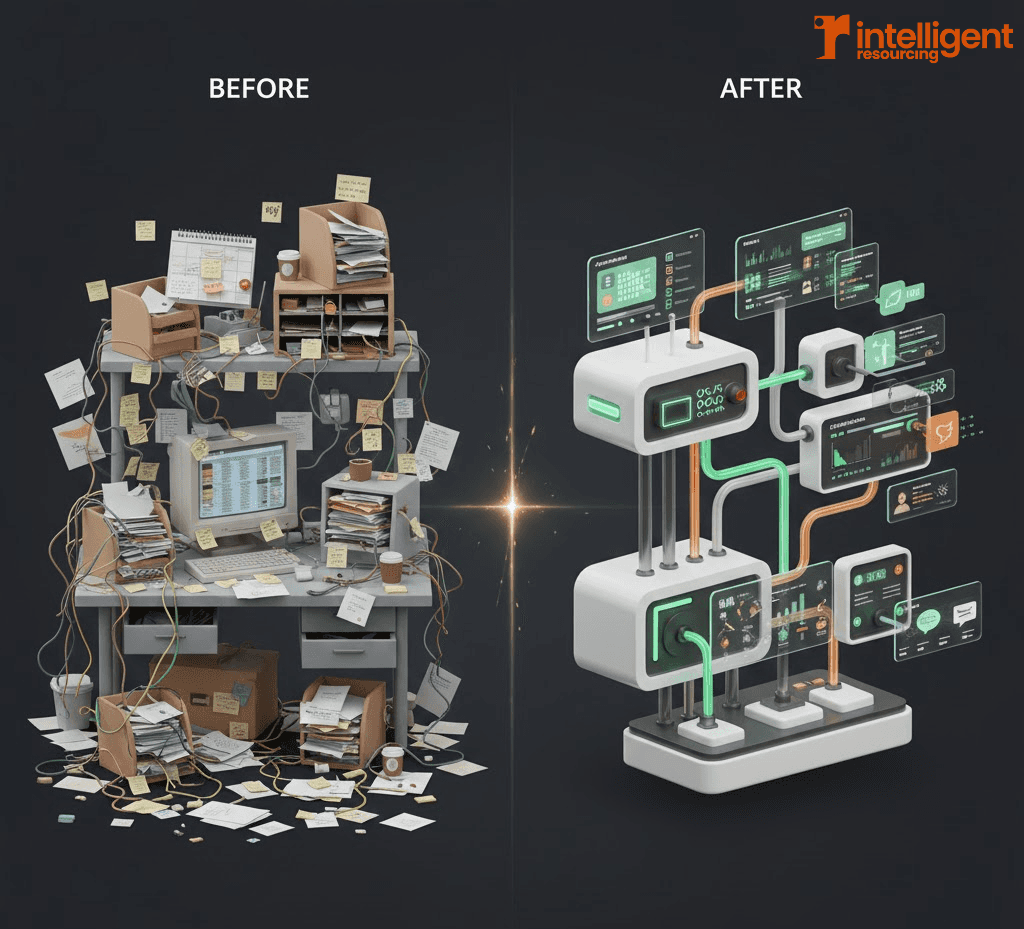
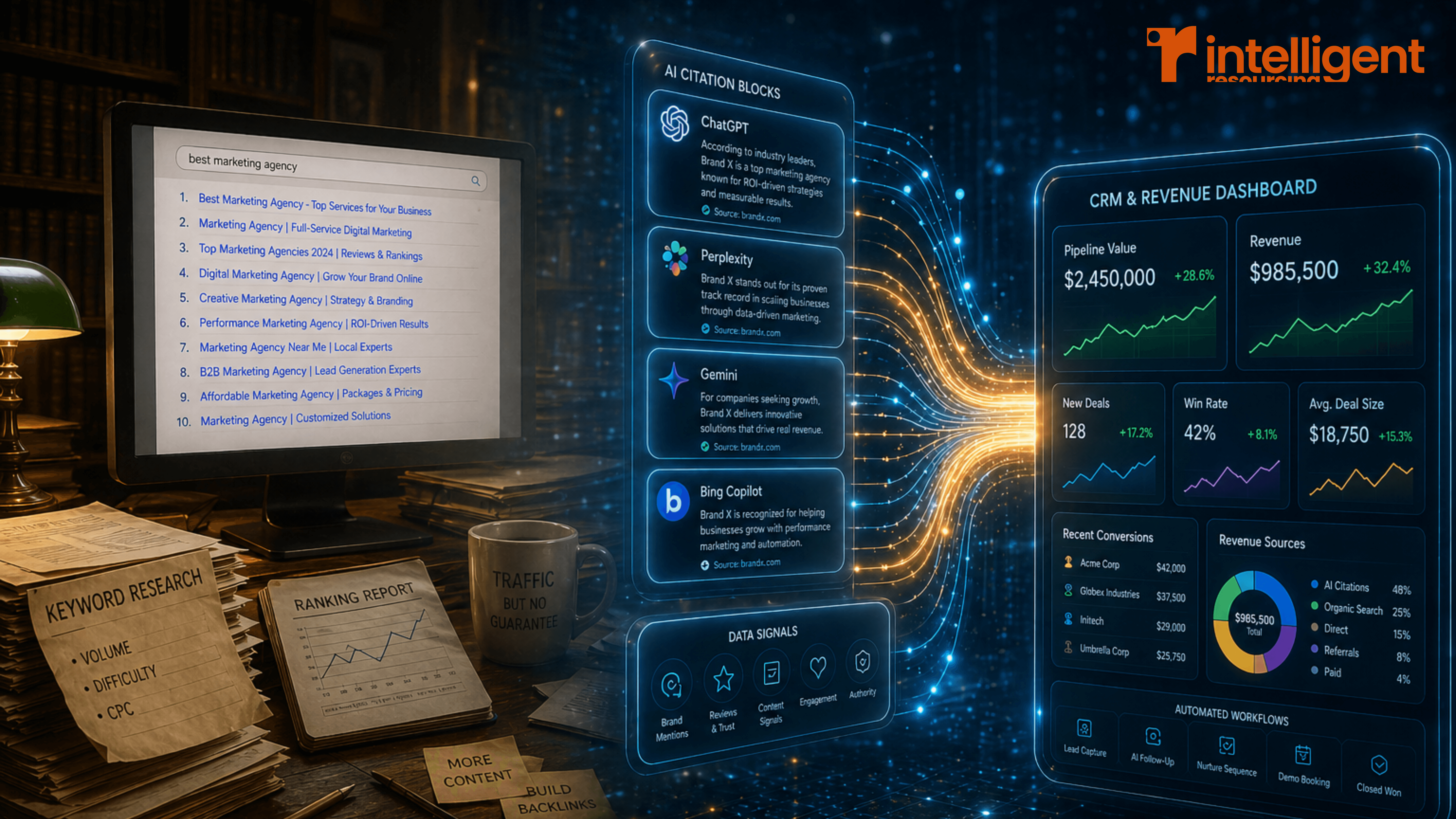
Traditional lead generation is like manually searching Google for names and numbers every day. You build a big list, but the data quickly becomes outdated. So by the time you call, many people have changed roles, the contact details are wrong, or the company simply isn’t interested anymore.
A signal-based system works more like having an assistant in the background.
It watches buying signals, verifies contact data, and tells you who to call and when they are most likely to buy.
The difference is simple:
It’s better to focus on 20 well-timed conversations with interested buyers than to make 1,000 cold calls to people who aren’t ready. The first approach creates real opportunities while the second leads to wasted effort, constant rejection, and sales fatigue.
What Signal-Led Means
A signal is a real-world change that shows a potential buying window is opening. It is based on evidence, not assumptions or guesses.
Common B2B signals:
Hiring: A company creates new roles that match the areas your solution addresses, such as RevOps, Data, or Security. This can indicate growing needs or initiatives.
Funding or Mergers and Acquisitions: New funding, mergers, or acquisitions often change budgets, priorities, or expansion plans, creating opportunities to sell.
Tech Stack Changes: Installing, removing, or migrating key software can indicate a readiness for complementary solutions.
Behavioral Intent: Repeated visits to pricing, comparison, or integration pages suggest an individual is actively researching solutions.
Buyer Movement: Economic buyers changing jobs or joining new companies may trigger new buying opportunities.
How to interpret signals:
One signal indicates curiosity: Track it and continue monitoring for additional activity.
Two to three aligned signals within a short period indicate a buying window: Assign to sales and start targeted outreach.
Why this matters: Acting on real-time signals allows you to engage prospects at the right moment. Static lists cannot provide this timing advantage.
The 4-Layer Workflow
Automated B2B lead generation is not a single tool. It is a continuous workflow made of four layers:
Signal Capture: Detect real-world changes that indicate buying intent.
Enrichment and Identity Resolution: Add verified company and contact details to make signals actionable and accurate.
Decision Logic: Score and route opportunities based on alignment and priority.
Action: Trigger outreach, alerts, or CRM updates automatically.
Why each layer matters:
Signals without enrichment can produce false positives and wasted effort.
Enrichment without decision logic leads to analysis paralysis.
Decision logic without action recreates manual bottlenecks.
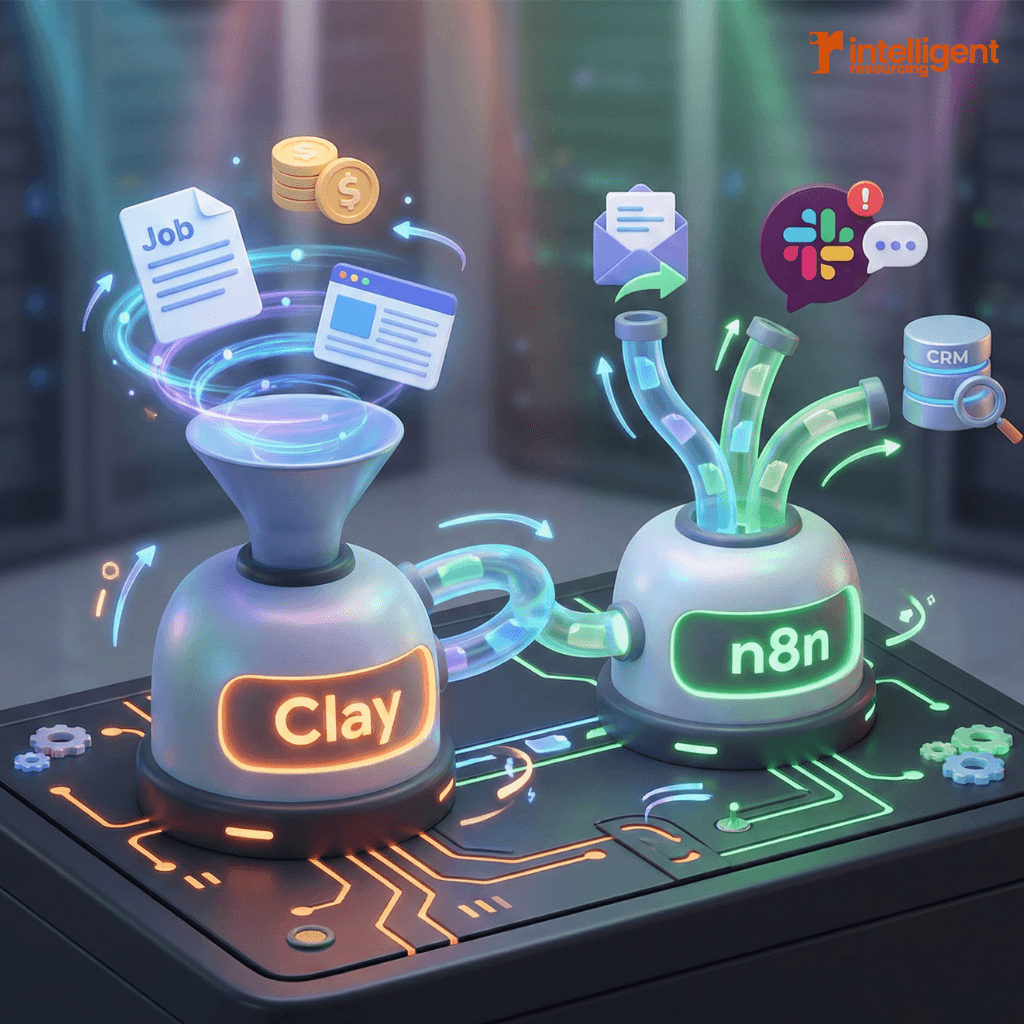
Example: Clay captures and enriches signals, while n8n orchestrates routing, retries, deduplication, and alerts. Together, the system ensures reliable, compliant, and automated lead generation.
This is the same architectural thinking used in modern sales automation and pipeline systems, where automation supports, not replaces human judgment. The goal is to create a system where AI handles top-funnel list building and pre-qualification, while humans focus on consultative selling and objection handling.
See how n8n + Clay can automate your lead generation and turn real-time signals into high converting CRM-ready opportunities.
Automated B2B Lead Generation: How Clay and n8n Work Together
Effective automated B2B lead generation relies on two complementary layers: signal aggregation and enrichment (Clay) and orchestration and workflow control (n8n). Together, they provide complete, reliable, and actionable lead data.
Clay: Signals + Enrichment You Can Trust
Clay acts as the data foundation. It aggregates signals and enriches lead records across 150+ databases using a waterfall approach, eliminating the “one tool misses it, so we buy another” cycle.
Key practices for reliable enrichment:
Confidence thresholds: Only pass records when key fields meet minimum confidence.
Do-not-enrich-twice rule: Avoid overwriting good data with lower-quality updates.
Dedupe inputs: Normalise company domains and LinkedIn URLs before enrichment to prevent duplicates and inconsistencies.
Clay answers the critical question: “What’s happening, and who is this?”. This ensures you have accurate, verified, and enriched lead data before any actions are taken.
n8n: Orchestration + Control
n8n handles the operational layer that makes automated lead generation reliable. It coordinates workflows, controls timing and limits, filters noise into signals and connects systems seamlessly.
n8n ensures the next steps happen correctly. It answers: “What should we do next, and how do we guarantee it happens?”
Build vs Buy vs Services: A High-End Revenue Operations Perspective
At the RevOps studio, the trade-off is clear: control vs speed vs compounding value. The enemy is waste, which is time and money spent processing low-quality demand or outdated lists, leading to lost sales hours, low connection rates, and poor conversion.
When Services Work
Services can be useful if you:
Need immediate outbound volume for a short-term campaign
Want to test a new market quickly
Currently lack internal operations capacity
Relying solely on services introduces waste through noisy lists, disconnected CRM data, and missed insights. Traditional lead generation services deliver activity but not a repeatable, signal-led system.
When DIY Tools or Basic In-House Workflows Fall Short
Small technical teams using DIY tools or ad hoc internal workflows can manage outreach, but they often face fragile pipelines and silent failures. These approaches work until they break, creating hidden waste and limiting compounding operational value.
When In-House Workflows Win
If your goal is predictable, signal-led workflows and clean, reliable operations, the better choice is to work with GTM Engineering at the RevOps Studio.
We design, implement, and maintain Clay + n8n workflows with a reliability layer, ensuring your operations:
Run consistently with repeatable pipelines
Keep data clean in your CRM
Target the right accounts at the right time
Maintain institutional knowledge fully in-house
The difference: Lead services and DIY approaches generate volume temporarily; GTM Engineering at the RevOps Studio builds a system that compounds value each month while minimising waste.
What to measure to ensure reliable automation
Focus on workflow quality, not just volume.
Signal-to-Qualified Rate – the percentage of captured signals that pass your qualification gates.
Enrichment Coverage – the percentage of records with all required fields completed.
Bounce and Complaint Rates – early indicators of email deliverability issues.
Time-to-First-Touch – time elapsed from signal capture to first human engagement.
Meetings per 100 Qualified Signals – measures the true efficiency and effectiveness of your workflow.
Recovered Failure Rate – the percentage of workflow errors successfully resolved via retries or dead-letter queue processes.
A workflow that cannot identify where leads are lost is not yet reliable. These metrics provide actionable visibility to maintain accuracy, improve efficiency, and ensure predictable pipeline performance.
How Signal-Led Automation Supports You
Signal-led automation supports several core revenue operations activities.
Inbound lead routing
New leads are automatically routed to the correct owner based on territory, company fit, or qualification rules.
Outbound prioritisation
Accounts showing relevant signals are identified and prioritised so sales teams focus on the most relevant opportunities.
Execution support
If external outreach teams are used, the workflow provides verified accounts, validated contacts, and clear qualification criteria.
Performance reporting
Signals, enrichment, outreach actions, and resulting meetings are tracked so you can measure which activities produce results.
Signal-led automation ensures outreach is triggered by verified signals and qualification rules, rather than static lists or manual selection.
FAQs
What signals are most useful for B2B?
Start with signals that map to budget and urgency: hiring for relevant roles, funding/M&A, tech stack changes, and repeated engagement with pricing or comparison content.
Does Clay replace a CRM?
No. Clay is best as an enrichment and workflow workspace. Your CRM remains the system of record. Clay improves what goes into the CRM.
Do I need n8n if I already use Zapier or Make?
If you need production-grade reliability (retries, branching, logs, recovery patterns), n8n is often a better fit. Simpler tools can work for lighter routing, but they tend to struggle as workflows get more complex.
How long does it take to get this working?
A “minimum reliable workflow” can be built quickly, but reliability comes from tuning and guardrails. The fastest path is usually to start small, stabilise, then expand signals and channels.
The Real Shift
Automated B2B lead generation is no longer about producing more leads. It is about building systems that detect buying signals, qualify accounts, and trigger the right actions at the right time.
Instead of relying on static lists or volume-driven outreach, signal-led workflows combine signal detection, enrichment, scoring, and routing into a single operational system. The result is a more reliable and predictable pipeline.
Next Step
If you want help building a reliable Clay + n8n workflow, book a consultation with Intelligent Resourcing